World Cup 2026 Qualification Slots: How 48 Places Split
Europe takes 16, Africa nine, Asia eight — and a six-team playoff in Mexico decided the final two. Here is exactly how the 48 places break down by confederation.

The 2026 World Cup is the first 48-team edition, and the jump from 32 places rewired qualification for every region. The expansion added 16 berths, and FIFA spread them so that all six confederations — for the first time ever — have at least one guaranteed seat at the table. Here is the verified slot map.
The headline split by confederation
The FIFA Council fixed the allocation back in May 2017, and it held all the way to the Dec 5, 2025 final draw. The direct slots are:
- UEFA (Europe): 16 — the biggest block, up from 13.
- CAF (Africa): 9 — up from 5.
- AFC (Asia): 8 — up from 4.5.
- CONCACAF (North/Central America & Caribbean): 6 — and crucially, the three hosts (USA, Mexico, Canada) come out of this group, so they fill three of those six.
- CONMEBOL (South America): 6 — up from 4.5.
- OFC (Oceania): 1 — its first ever guaranteed direct place.
That is 46 teams. The last two were decided by a brand-new playoff.
The host places
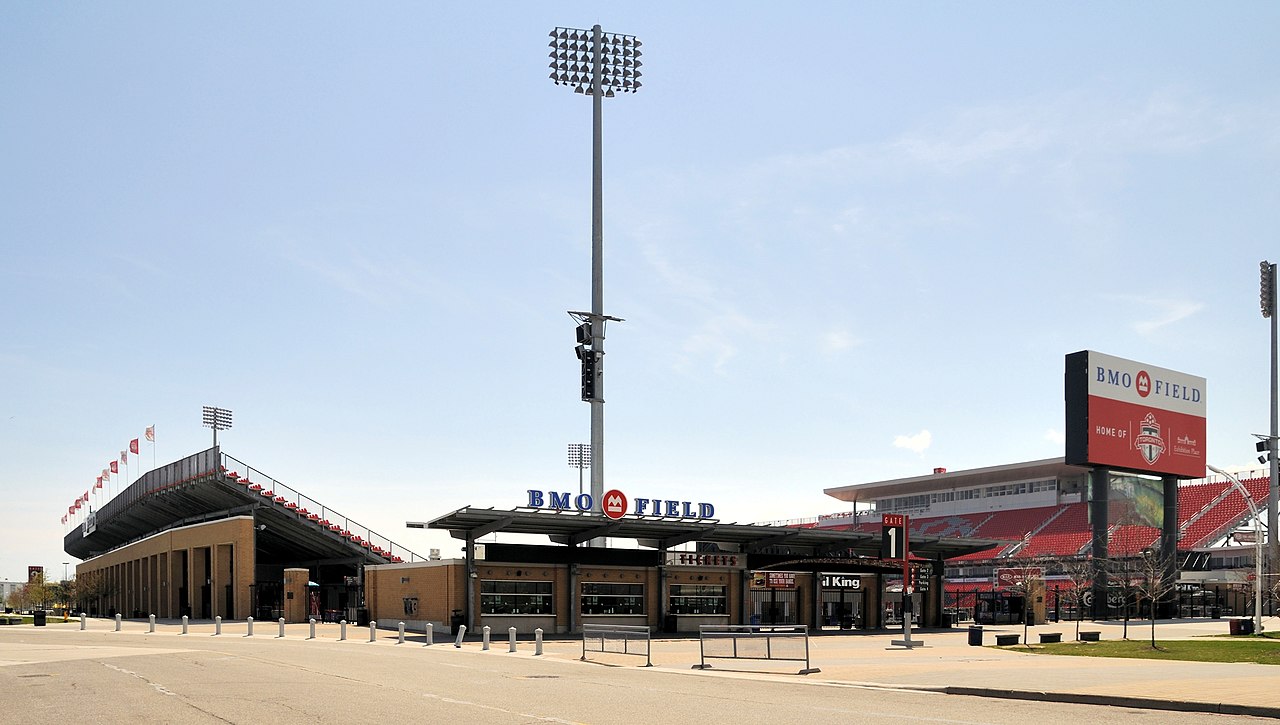
Because the United States, Mexico and Canada co-host across 16 cities, all three qualified automatically. They are CONCACAF members, so their three berths sit inside CONCACAF's six. In practice that left three open direct CONCACAF slots to fight for, plus two CONCACAF entries into the playoff — which is why the region punched well above its old weight this cycle.
The new inter-confederation playoff
The final two of the 48 places came from a six-team mini-tournament played in Mexico (Guadalajara and Monterrey) from March 26–31, 2026. One team came from each of five confederations plus a second from CONCACAF: Iraq (AFC), DR Congo (CAF), Bolivia (CONMEBOL), New Caledonia (OFC), and Jamaica and Suriname (CONCACAF). UEFA, with 16 direct places, did not enter.
The two highest-ranked teams (DR Congo and Iraq) got byes straight to their pathway finals; the other four played single-leg semi-finals. DR Congo beat Jamaica 1–0 after extra time to end a 52-year wait, and Iraq beat Bolivia 2–1 to return after four decades. Those two completed the 48.

How expansion changed each region
The maths tells the story. Africa nearly doubled its allotment (5 to 9), Asia jumped from 4.5 to 8, and South America rose from 4.5 to a clean 6 with a playoff path on top — meaning seven of CONMEBOL's ten nations could realistically reach the finals. Europe grew from 13 to 16. Oceania, long forced through a cruel intercontinental playoff, finally got a guaranteed direct ticket (New Zealand took it). The upshot: fewer traditional powers miss out, and more debutants and long-absent nations are in. See the full list of who qualified.

What it means for the bracket
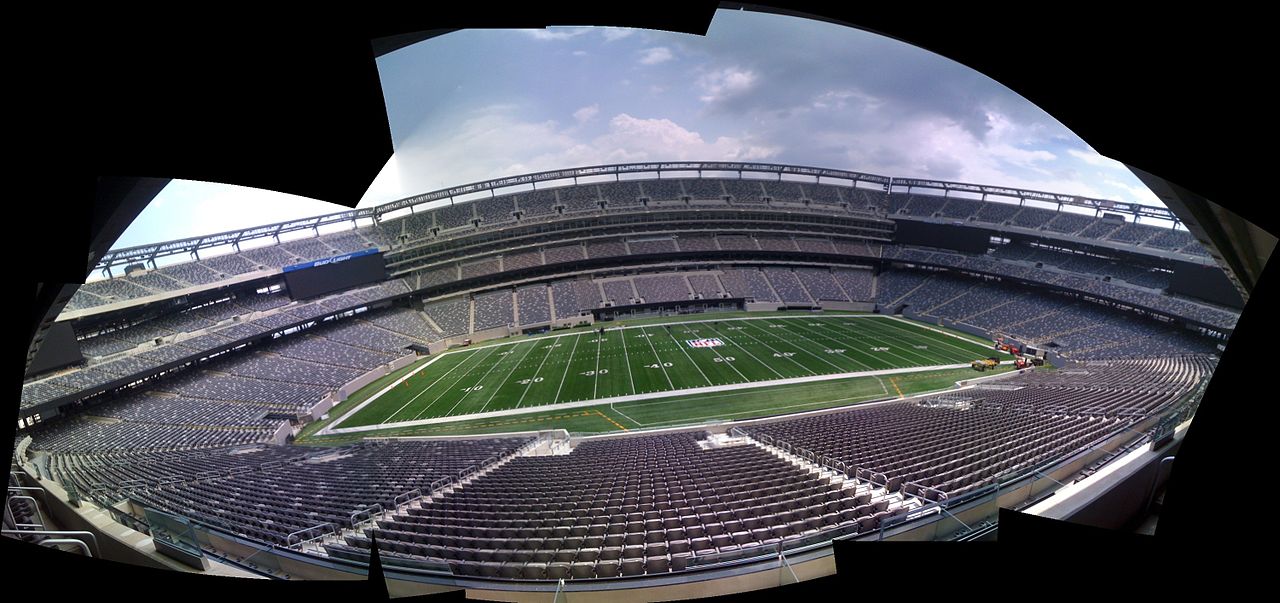
More teams means a longer road: 104 matches across 12 groups, with the top two plus the eight best third-placed sides advancing. That depth reshuffles the favourites' path to MetLife. Our model still rates Spain and Argentina as the clear co-favourites, with France just behind, Brazil a notch below, then England — while Morocco, Colombia, Croatia and Japan are the dark horses to watch.
Want to see how the slots translate into a real bracket? Browse the full match schedule, then run your own forecast with our World Cup 2026 predictions and the simulator.
Related stories