Why Is the 2026 World Cup Hosted by the USA, Canada and Mexico?
For the first time, three countries share football's biggest event. The reasons run from a 48-team format and a record 104 matches to a 2018 vote, ready-built stadiums, and decades of World Cup history.

The 2026 FIFA World Cup is the first in history to be co-hosted by three nations — the United States, Canada and Mexico. It is also the first 48-team World Cup and, with 104 matches, by far the largest the tournament has ever been. Those two facts are closely linked: the answer to "why three countries?" begins with just how big this World Cup has become.
A tournament too big for one country
For every edition from 1998 to 2022, the World Cup had 32 teams and 64 matches. In January 2017, FIFA voted to expand the men's tournament to 48 teams from 2026 — and the final format settled on 12 groups of four, producing a record 104 matches over 39 days. That is 40 more games than Qatar 2022.
A field that size needs an enormous amount of infrastructure all at once: a dozen or more large stadiums, training sites for 48 squads, tens of thousands of hotel rooms, and airports and highways that can move millions of fans between cities. Spreading the load across three neighbouring countries — rather than asking one nation to build it all — was the practical way to stage a tournament of this scale.

How "United 2026" won the vote
On 13 June 2018, at the 68th FIFA Congress in Moscow, football's member federations chose the host of the 2026 World Cup. The joint North American bid — branded "United 2026" — faced a single rival, Morocco. United 2026 won comfortably, taking 134 votes to Morocco's 65.
The margin was no accident. FIFA's own technical task force had inspected both bids and scored them out of five. The United bid scored 4.0; Morocco scored 2.7, and was flagged as "high risk" in key areas — stadiums, accommodation and transport — because much of its plan still had to be built. The North American bid, by contrast, promised stadiums, airports and hotels that, for the most part, already existed.
Why North America was ready
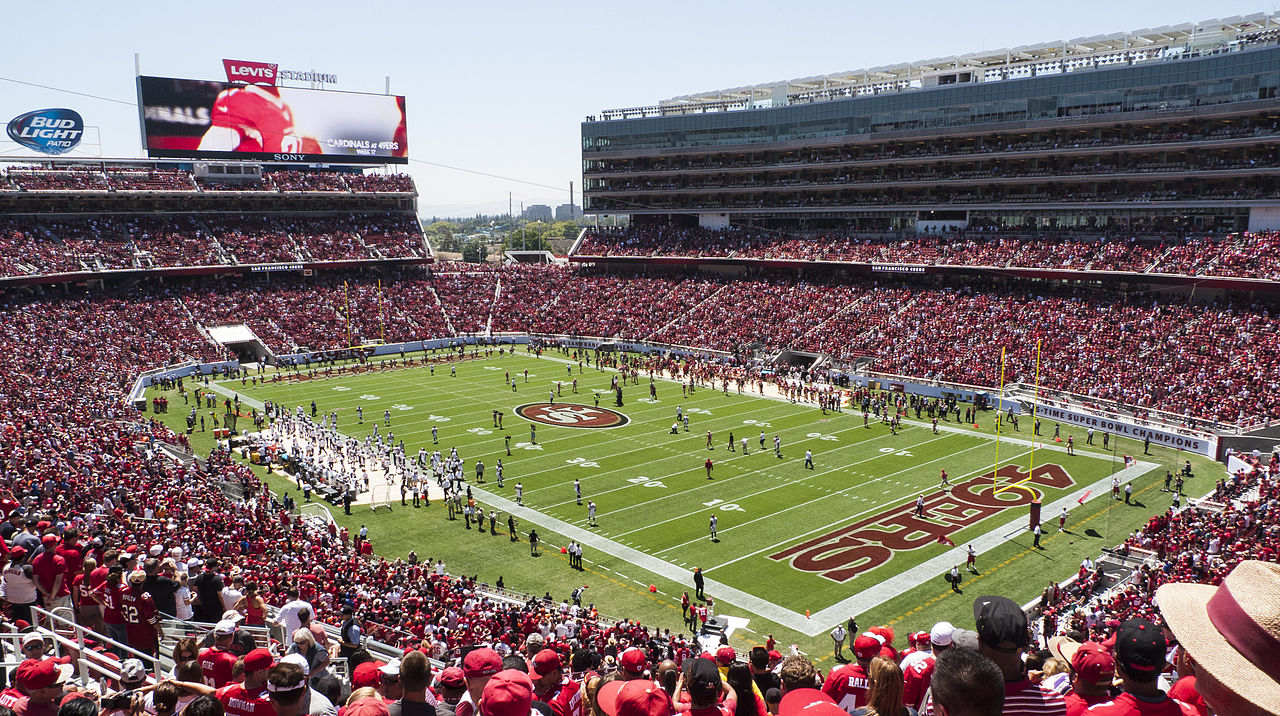
This is the heart of the matter. Hosting a 48-team World Cup is less about building new arenas than about already having them. The United States is home to dozens of NFL and college stadiums that seat 60,000–80,000 fans, with the transport, hotels and broadcast facilities to match. Canada and Mexico add modern venues of their own. United 2026 could promise FIFA a tournament that needed very little new construction — a powerful argument after the cost overruns seen at other recent World Cups.
That readiness also lowered the financial risk and raised the commercial ceiling. North America is one of the world's richest markets for ticket sales, sponsorship and television: FIFA's evaluation forecast roughly USD 14.3 billion in revenue from the United bid against about USD 7.2 billion for Morocco — nearly double. For a FIFA still rebuilding its finances and reputation after the 2015 corruption scandal, a bigger tournament in a wealthy, ready-built region was, in business terms, an easy call. A bigger tournament in a wealthy, ready-built region was, in business terms, an easy call.
What each country brings — and its history
Each host also carries its own World Cup story.
Mexico becomes the first country ever to host games at three different World Cups, having staged the 1970 and 1986 tournaments. Its centrepiece, the Estadio Azteca in Mexico City, will make history of its own: when it stages the opening match on 11 June 2026, it becomes the first stadium to host matches at three separate World Cups. Guadalajara and Monterrey complete Mexico's trio of host cities.
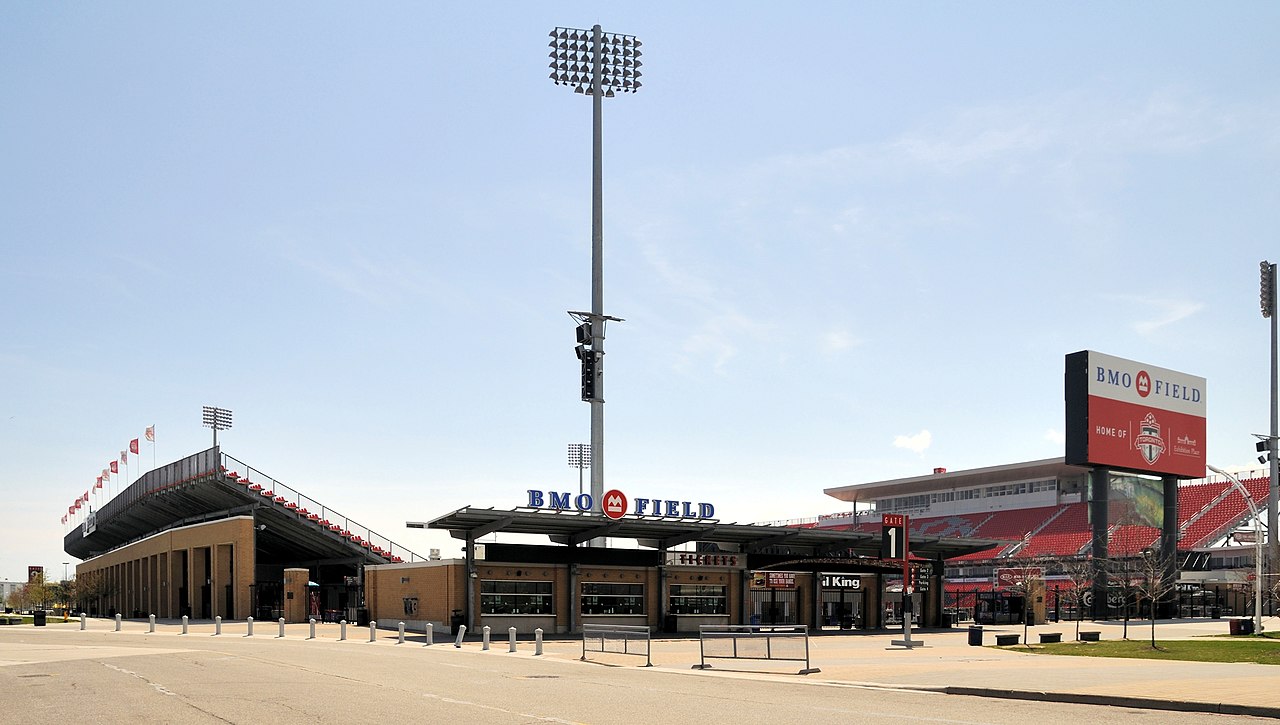
The United States hosted the 1994 World Cup — still the best-attended in history — and returns as the logistical anchor of 2026, with eleven host cities from coast to coast. Canada, meanwhile, hosts the men's World Cup for the very first time (it staged the Women's World Cup in 2015), with matches in Toronto and Vancouver.

How the 104 matches are split
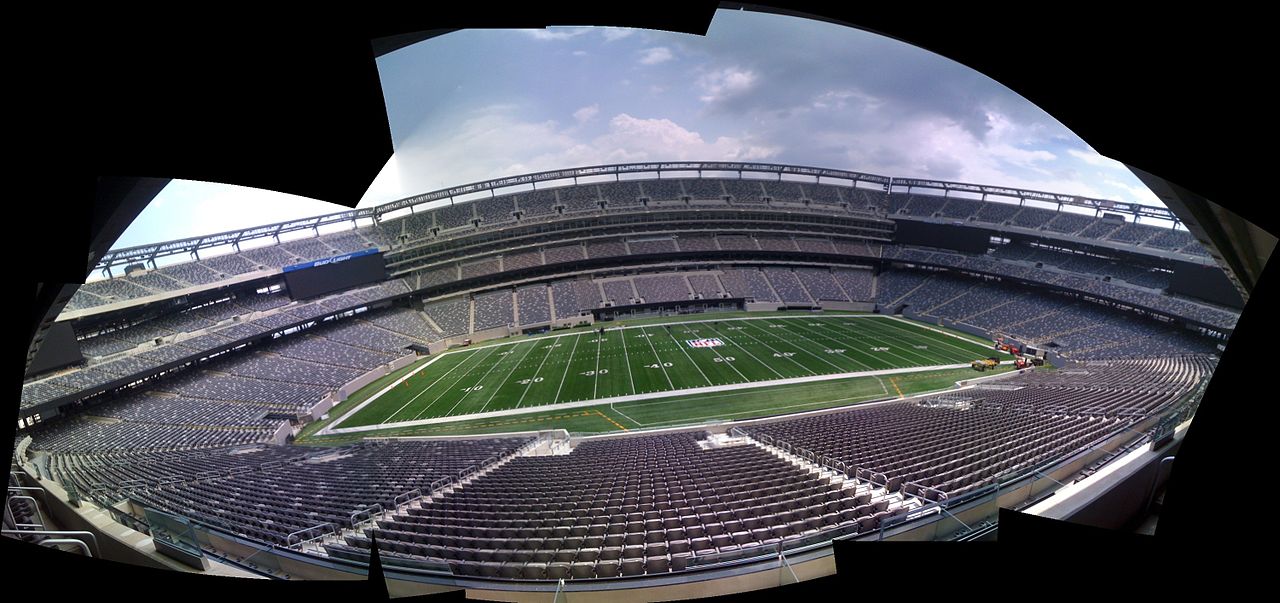
The sheer scale of the tournament is shared unevenly, by design. The United States will host 78 of the 104 matches, including every game from the quarter-finals onward and the final itself, at MetLife Stadium near New York on 19 July 2026. Mexico and Canada will host 13 matches each.
In total there are 16 host cities: eleven in the United States (including Atlanta, Dallas, Los Angeles, Miami, New York/New Jersey, Seattle and the San Francisco Bay Area), three in Mexico (Mexico City, Guadalajara, Monterrey) and two in Canada (Toronto and Vancouver). The tournament opens in Mexico City on 11 June and closes in New Jersey on 19 July. You can see every fixture on our full match schedule.
The bigger picture
Beyond logistics, the three-nation hosting carries a message. A World Cup co-staged by neighbours — at a time of political tension between them — is the kind of unifying symbol FIFA likes to promote, and the "United 2026" name was chosen with that in mind. It also grows the game across a region where club football and the men's national teams are still building their global profile.
So the short version: the 2026 World Cup is hosted by the USA, Canada and Mexico because it is the biggest tournament ever staged, because those three countries already had the stadiums and infrastructure to handle it together, because their joint bid decisively beat Morocco in 2018 — and because, between them, they offer FIFA history, commercial muscle and a continent ready to host the world.
Want more? Read our guide to the 16 host cities, or our previews of the three hosts — United States, Mexico and Canada.
Related stories